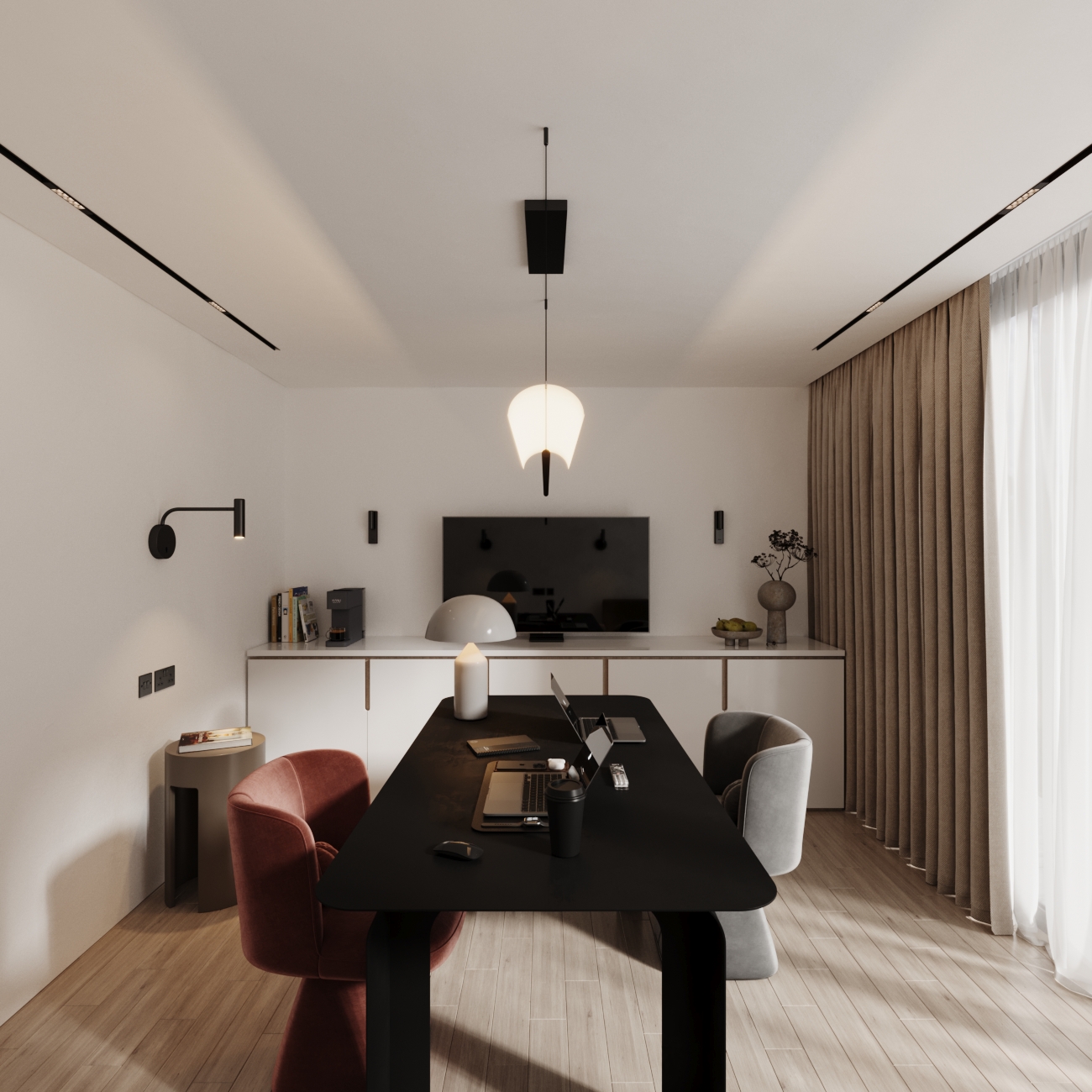
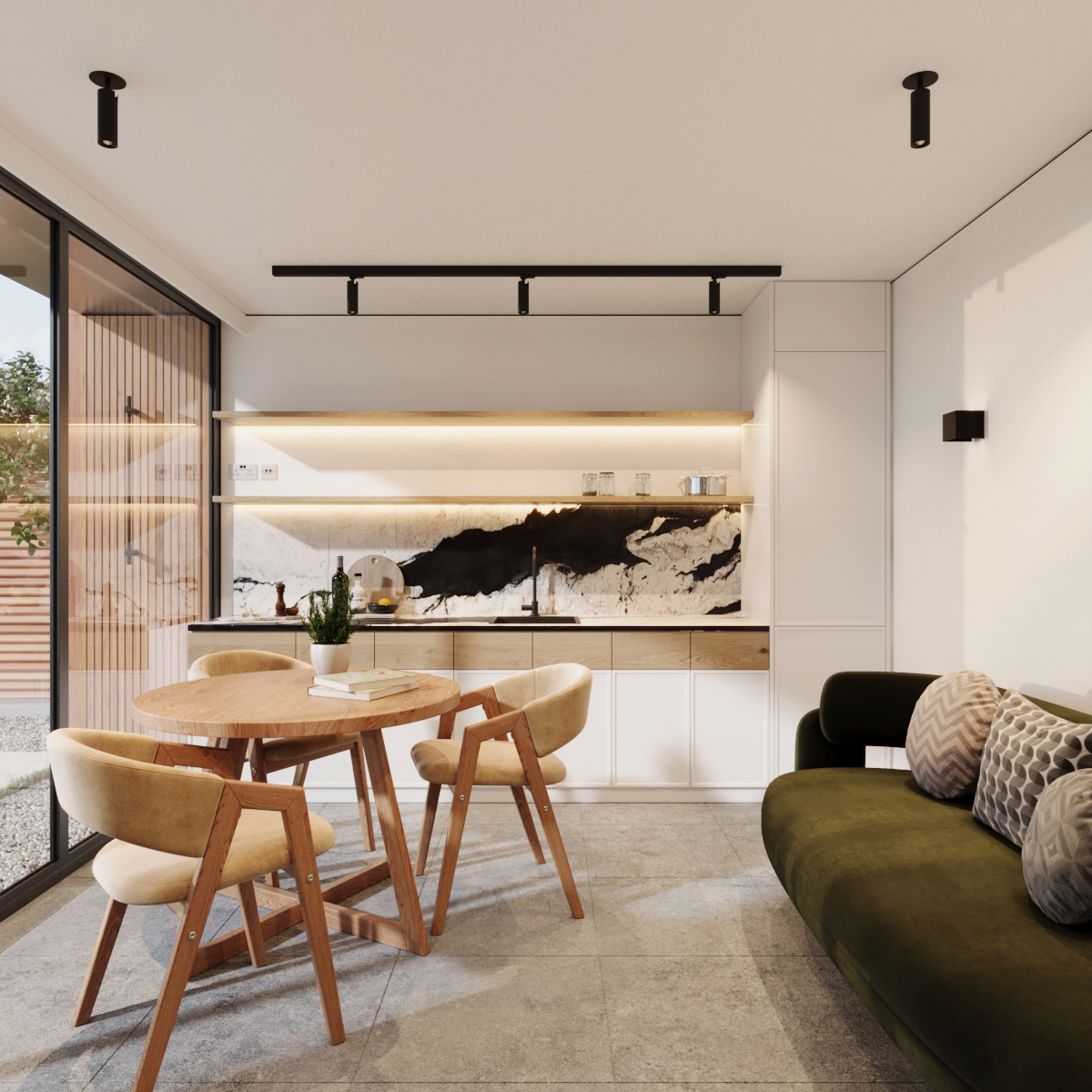
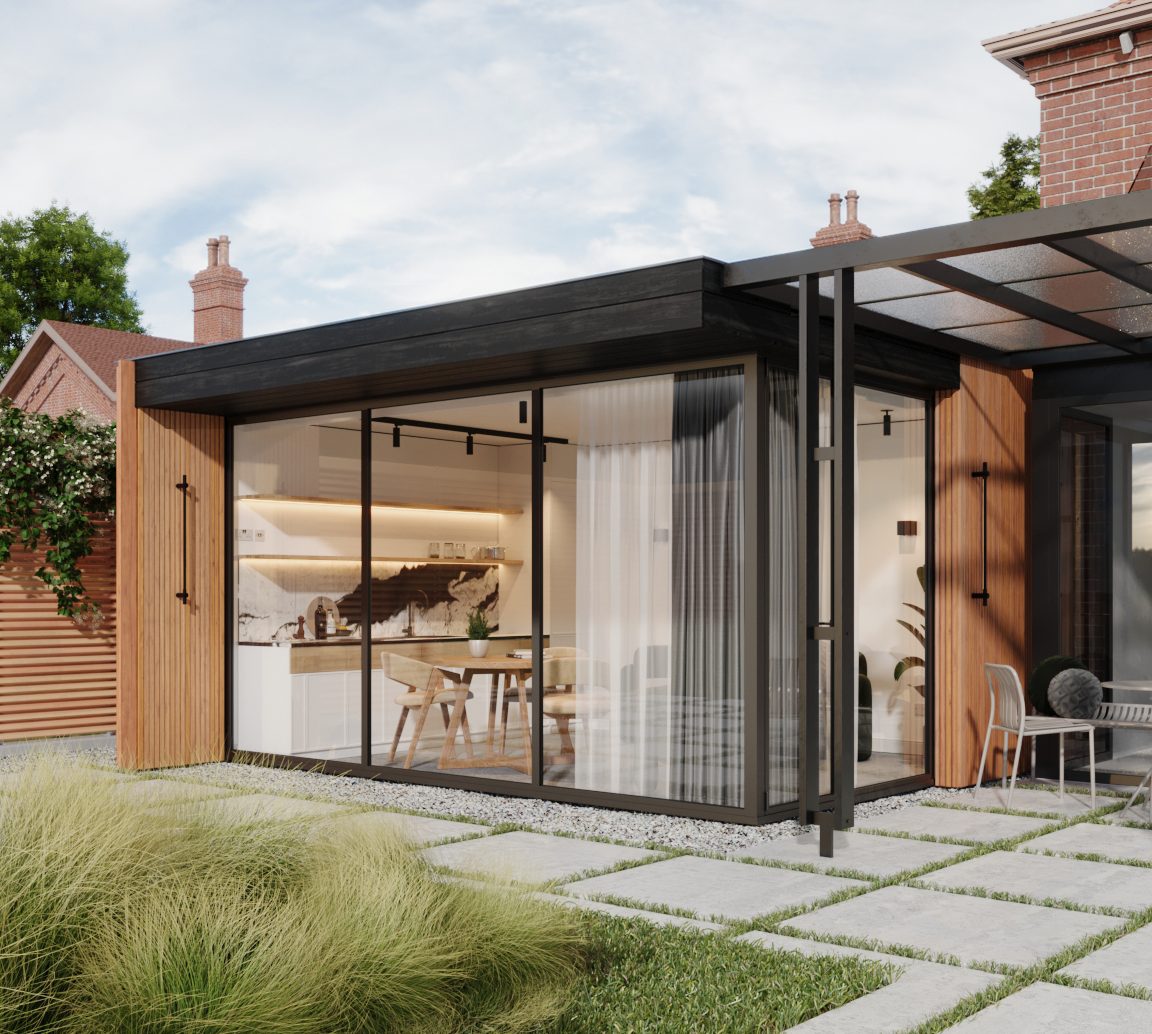
Garden offices have become increasingly popular as more people seek to work from home in a dedicated, peaceful space. If you’re considering a garden office, you likely have many questions. This guide will answer some of the most frequently asked questions and provide expert advice to help you make the best decision for your needs.
Why Choose a Garden Office?
- Increased Productivity: A garden office offers a quiet space away from the household hustle and bustle, enhancing concentration and productivity.
- Work-Life Balance: By having a separate workspace, you can better distinguish between work and personal life.
- Value Addition: A well-designed garden office can add value to your property.
Common Questions about Garden Offices
Do I Need Planning Permission?
In many cases, garden offices are subject to permitted development rights, meaning you do not need planning permission. If you do not plan to use the building as a sleeping place, then the building regulations mostly do not apply. Always check with your local planning authority to ensure compliance.
The main rules of annexes in force in England look like this:
- The garden office must be a single-story building.
- The building cannot take up more than 50% of your garden area. This calculation includes all outbuildings, such as sheds and extensions to the original house.
- If the garden office is within 2 meters of the property boundary, its height must not exceed 2.5 meters.
In any case,
garden-house.co.uk specialists can advise you on permits and technical parameters before ordering an extension.
What Size Should My Garden Office Be?
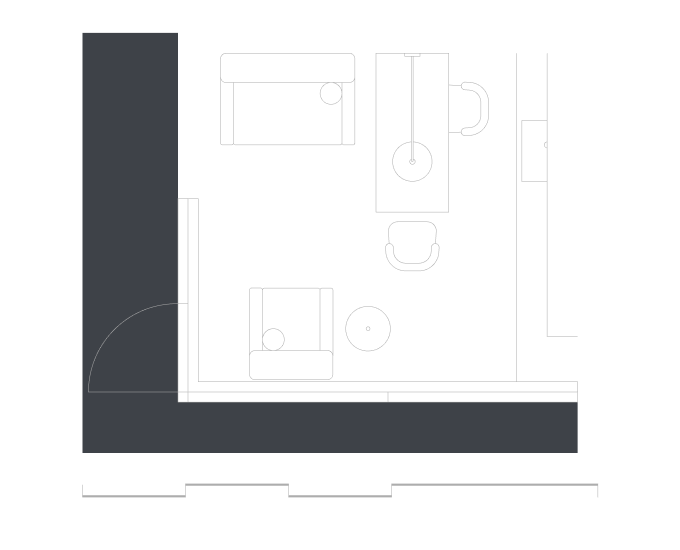
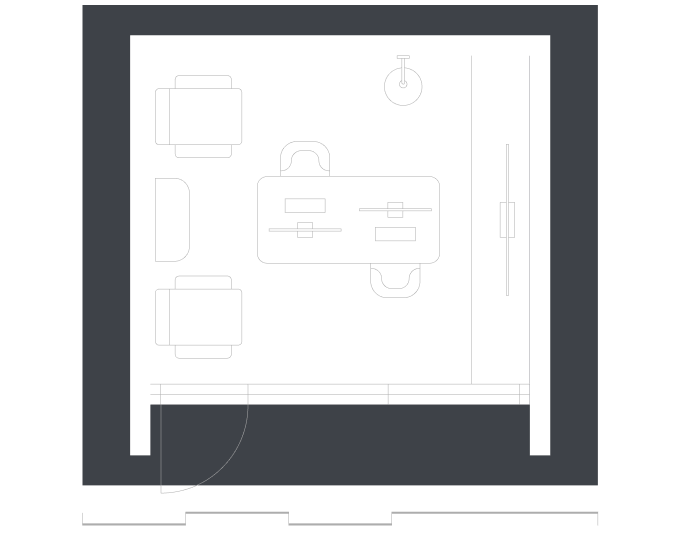
The size of your garden office depends on your needs and the available space in your garden. Consider the following factors to determine the ideal size:
- Up to 15m²: Garden offices with an internal floor space up to 15 square meters typically do not need to comply with Building Regulations.
- 15m² to 30m²: Garden offices with an internal floor space between 15 and 30 square meters usually do not require Building Regulations compliance unless they are situated less than 1 meter from your property boundary.
- Over 30m²: Garden offices with an internal floor space exceeding 30 square meters will require Building Regulations approval. For these larger structures, it’s advisable to seek guidance and assistance from professionals.
Purpose: The primary use of your garden office will significantly influence its size. If you plan to use it solely as a workspace, a smaller office may suffice. However, if you intend to hold meetings, accommodate multiple people, or include storage, you’ll need a larger space.
Future Use: Consider potential future needs. If you plan to expand your business, hire employees, or repurpose the space later (such as converting it into a home gym or guest room), opt for a larger size. Planning for future flexibility ensures your investment remains valuable over time.
What Materials Are Best for a Garden Office?
The choice of materials impacts the durability, aesthetics, and insulation of your garden office. Popular materials include:
- Timber: Provides a natural look and excellent insulation. Cedar and larch are popular choices due to their durability.
- Steel: Offers a modern aesthetic and is highly durable but may require more insulation.
- Composite Materials: Combine the benefits of wood and plastic, offering durability and low maintenance.
How Do I Ensure My Garden Office is Comfortable Year-Round?
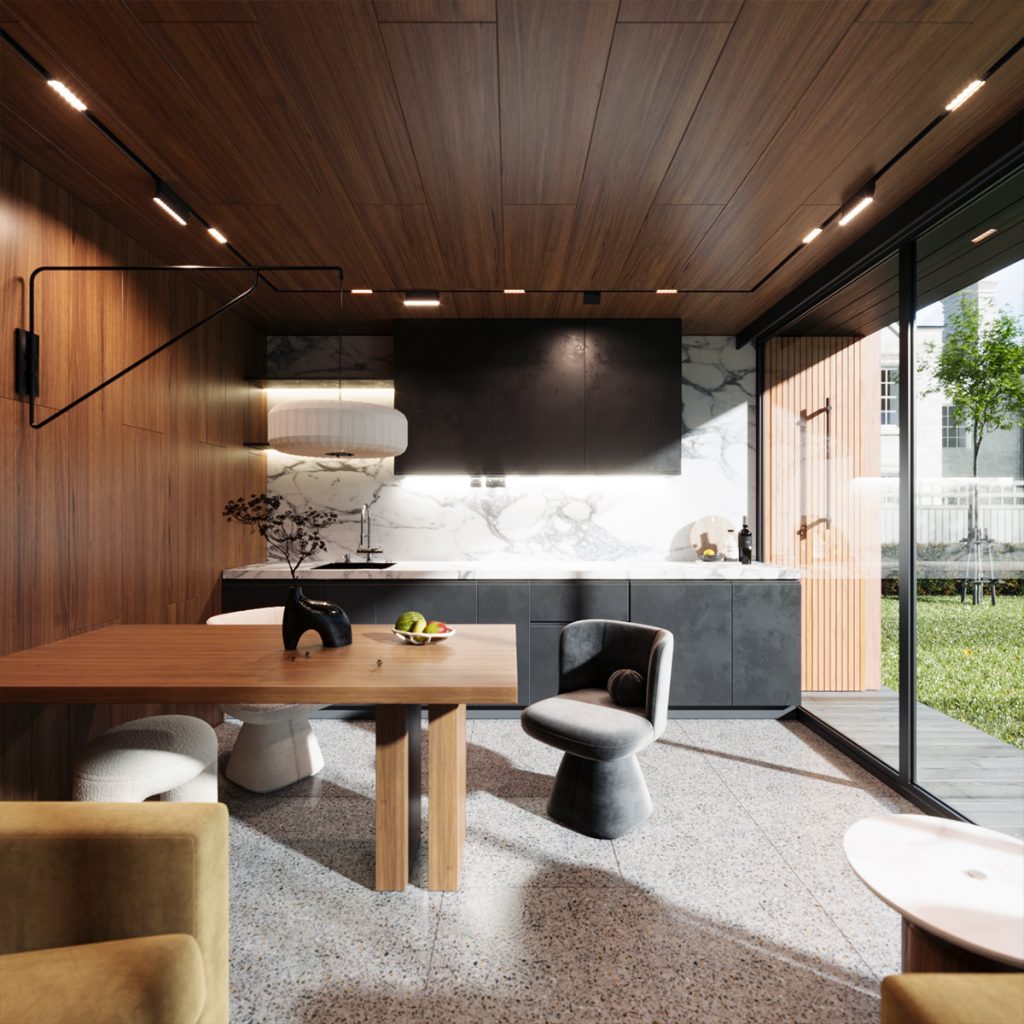
To ensure your garden office remains comfortable throughout the year, focus on effective insulation and climate control. Begin with high-quality insulation for walls, floors, and ceilings to keep the space warm in winter and cool in summer. Consider double-glazed windows to enhance thermal efficiency. Install a reliable heating system, such as an electric heater or underfloor heating, to maintain warmth during colder months. For the summer, a portable air conditioner or ceiling fan can help regulate temperature and ensure a pleasant environment. Proper ventilation is also essential to maintain air quality and prevent stuffiness. By addressing these factors, you can create a comfortable and functional garden office that supports productivity and well-being in any season.
Can I Use a Garden Office for Other Purposes?
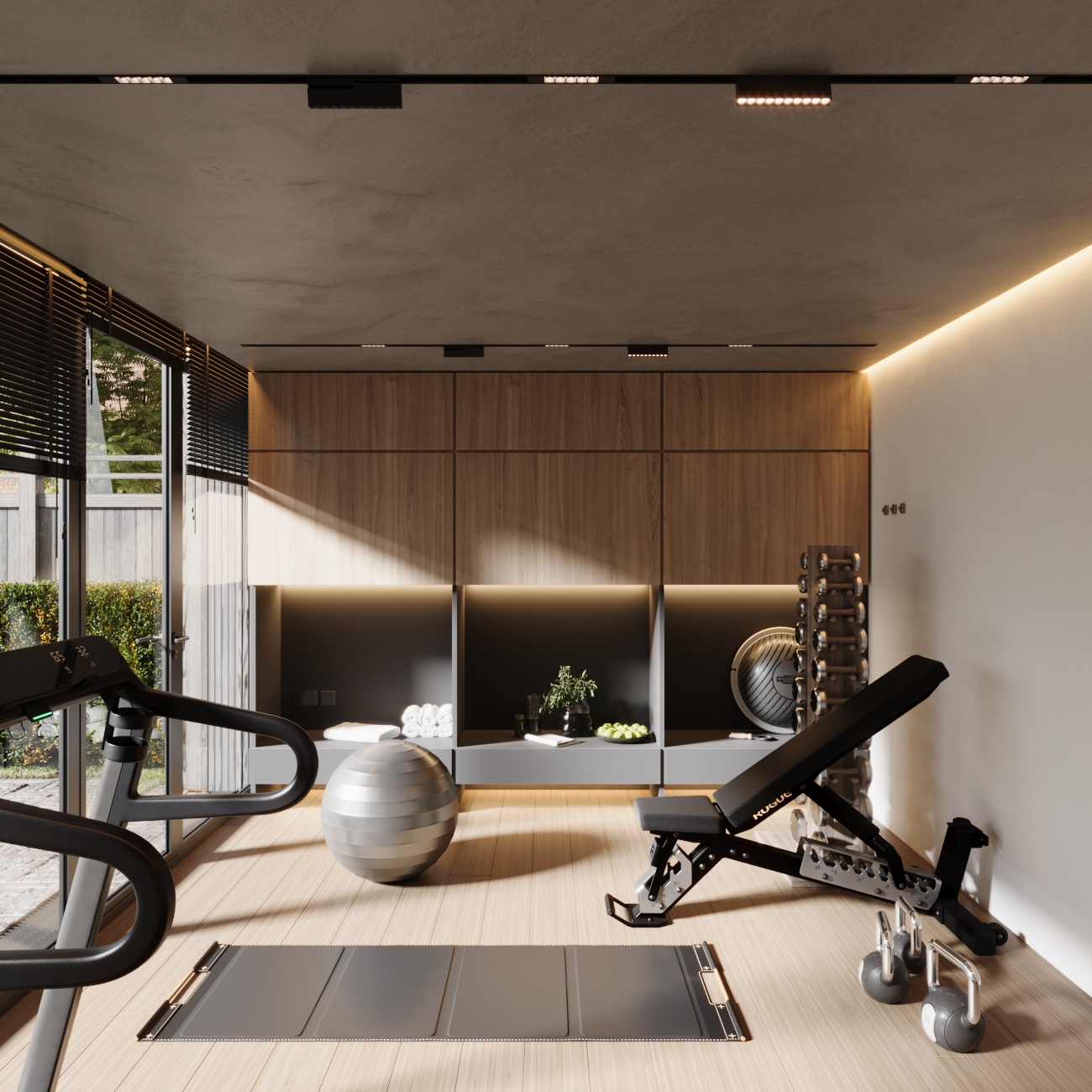
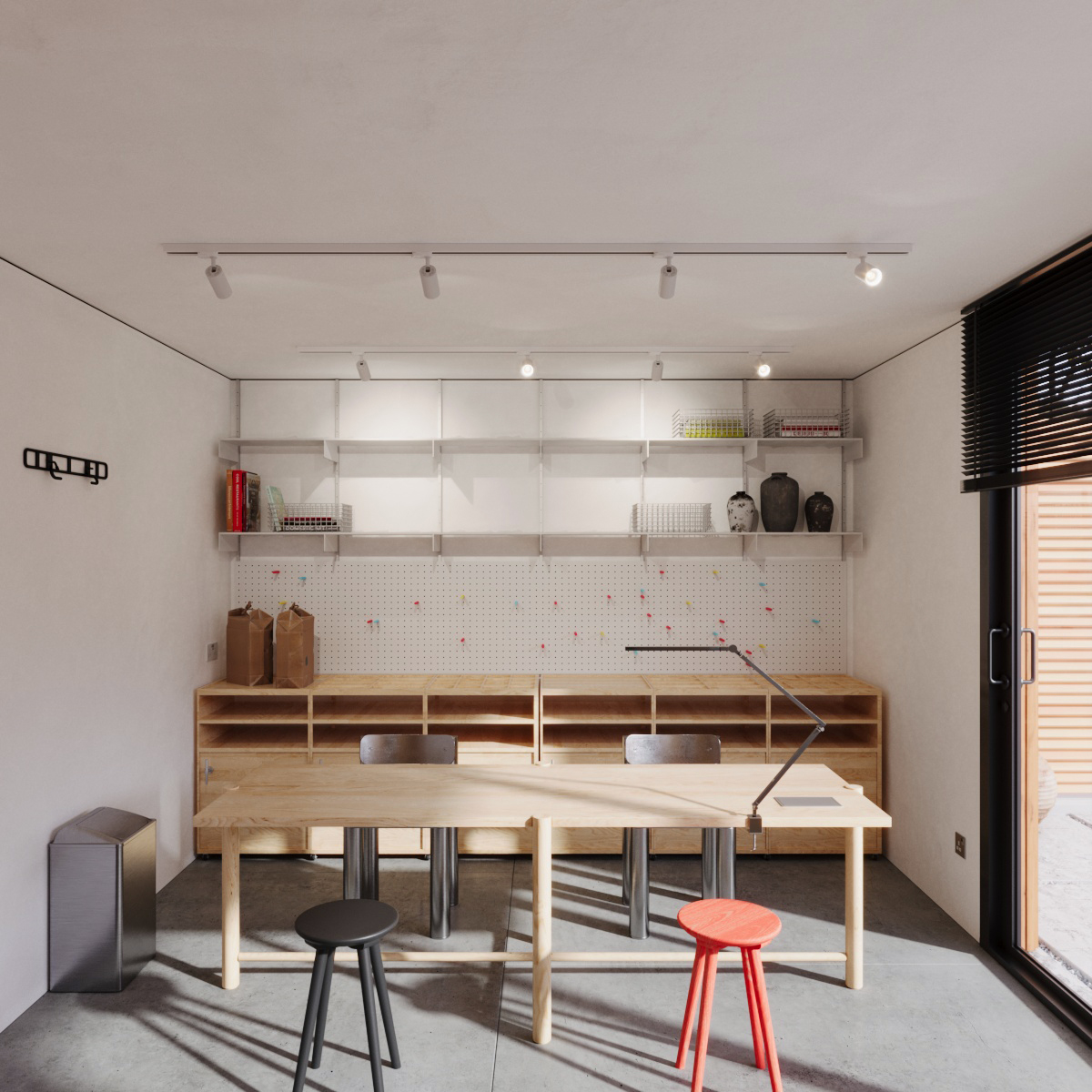
Absolutely! While garden offices are designed for work, they can be versatile spaces. Some popular alternative uses include a home gym, an art studio, a guest room, or a hobby room. Equipping your garden office with workout equipment can turn it into a private gym. If you’re into arts, it can be a perfect creative space for painting or drawing. It can also serve as a cozy guest room or a dedicated space for hobbies like crafting or woodworking.
Expert Advice for Designing Your Garden Office
Maximizing natural light through large windows and skylights can make your office feel more spacious and reduce the need for artificial lighting. Investing in comfortable and ergonomic furniture is essential for a productive workspace. Personalizing your space with decorations that reflect your style can create a pleasant working environment. Ensure good ventilation to maintain air quality and comfort. Plan for storage solutions like shelves and cabinets to keep your workspace organized. Ensure your garden office is equipped with reliable internet connectivity. Depending on your garden office’s distance from your main house, you may need a Wi-Fi extender or a wired connection. Set up your office with the necessary tech tools for video conferencing, printing, and any other work-related tasks.
Add personal touches like plants, artwork, and comfortable furniture to make the space inviting and inspiring.
A garden office is a fantastic addition to any home, offering a dedicated, productive space separate from your living area. By considering factors like size, design, insulation, and planning permission, you can choose the perfect garden office for your needs. Whether you’re looking to boost your productivity, create a home gym, or add value to your property, a garden office is a worthwhile investment.